Most AI content is about the newest model. It never tells you where the tool belongs in your business, and that's the only thing that actually matters.
I scaled a business to $3 million, then sold it. Now I run BeaverMind, an agency that builds AI systems for seven figure coaching and consulting firms.
Every business is really just five areas stacked on top of each other. Lead generation, sales, delivery, operations, and hiring.
Here is a real example of what I've automated in each one, either in my own business or a client's.
1. Lead generation: stop the leak before you buy more traffic
Without AI, a lead fills in a form. Somebody calls back hours or days later, sometimes never. You paid for every single one of those leads and most never get called back consistently.
With AI, one voice agent does three jobs: speed to lead, reactivation of the dead list, and qualification using the BANT framework before booking straight onto the closer's calendar.
The result
In my previous trading education company, we had around 3,000 dead leads nobody had touched in months or years.
- The AI agent made over 11,000 calls in 15 days and booked 22 appointments on its own
- Cost per booked call went from $200 to $20
- We spent $457 in API cost and got $6,800 back from leads nobody had touched
- Reply rate went from 3.5% with the human team to 4.7% with the AI voice agent
Don't focus on getting more leads. Focus on stopping the loss of the ones you already paid for.
2. Sales: coach every call, not a random sample
A sales team is only as good as the coaching it gets. Without AI, a sales manager listens to maybe 5 or 10% of calls because the volume is too high for anything more. Feedback lands days later, if it lands at all.
With AI, a sales manager agent scores 100% of calls against your scoring rubric and sends the rep a feedback report automatically.
The result
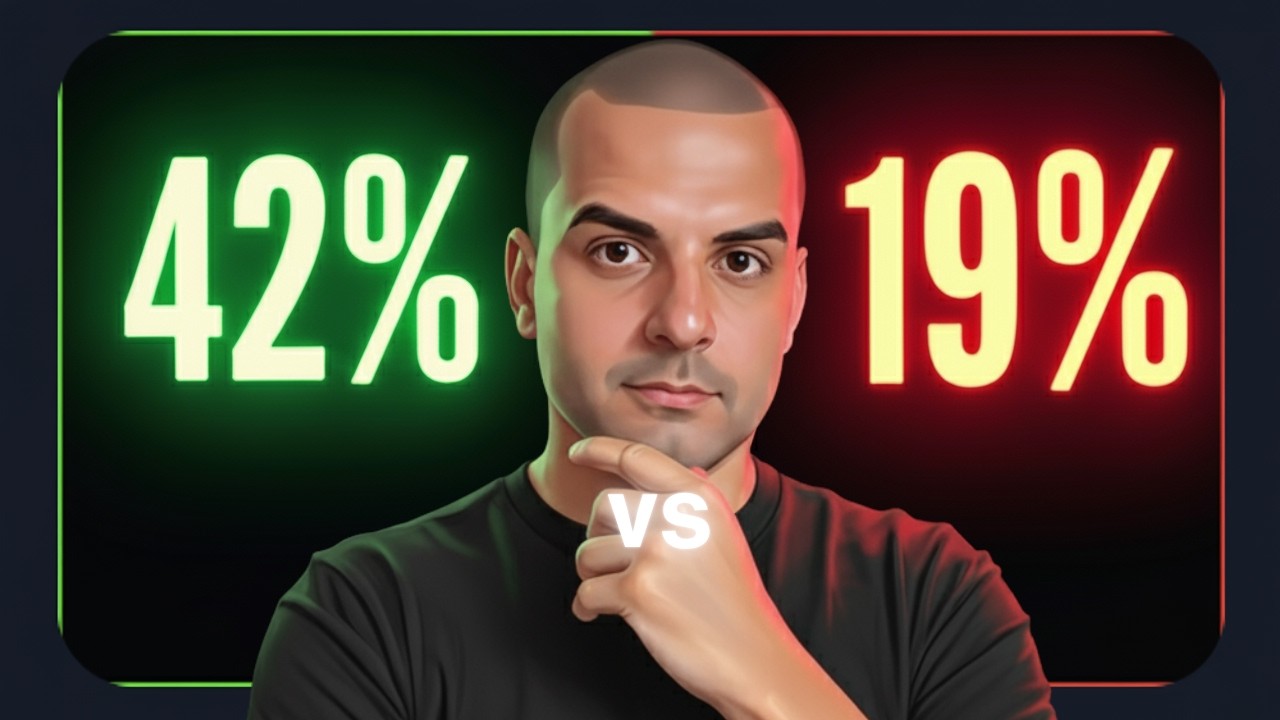
Same company as before. Once we scored every call, close rate went from 19% to 42%, more than double.
Reps got immediate feedback, felt more pressure to perform because every call was observed, and sales leaders finally had a high level view of where to put their coaching. Quality stopped depending on how many people you can put on top of it. That is where most businesses hit their ceiling.
3. Delivery: two systems, because this decides who stays and who churns
System one: AI quality manager
Without AI, coaching calls and check ins get spot checked badly and only when someone has time. You find out a client is unhappy when they already asked for a refund.
With AI, every delivery call gets scored automatically against your quality standard, and client journeys going wrong get flagged before they turn into a cancellation.
An eight figure company we worked with was spending around 40 man hours a week manually reviewing calls. That is now fully automated, around 100 calls scored per day. Churn went from 5% down to 2%. Between labor saved and churn recovered, that is over $60,000 a month back in the business.
System two: a co-pilot on your own knowledge base
Without AI, every question goes to the one person who knows the answer, usually you or a manager. You become the bottleneck of your own delivery.
With AI, you build one knowledge base with two doors, one for your team and one for your clients. It answers with the source attached and flags what it doesn't know instead of guessing.
In a coaching program, the repeated client and team questions get categorized into a knowledge base the co-pilot can refer to 24/7.
4. Operations: stop work falling through the cracks
This is the bread and butter of what I've done for the past six years.
Without AI, decisions get made on calls and a project manager has to translate them into tasks with an owner and a deadline. Calls run long, details get lost, tasks get forgotten or take days to land on a project tool. You find out three weeks later when the client asks why nobody did the thing you promised.
With AI, the moment the call ends, the transcript turns into proposed tasks that land in Slack. I can reply yes, no, or edit right in the thread. Nothing gets created without me approving it first. The agent checks daily and weekly what got done, chases sleeping tasks, and sends an overdue list every morning.
A bonus version of this: a Slack agent that reads every channel and notifies you if a message hasn't been responded to, so nothing sits unanswered when volume gets high.
5. Hiring: filter before you spend a single hour
Without AI, every application needs a human to decide who is worth an interview. You spend hours filtering and the good candidates are often gone by the time you get to them.
With AI, you build a scoring rubric around the exact criteria for the role. Hard filters exclude candidates automatically, for example anyone who can't start within a month or isn't local.
For the softer part, you can ask candidates to submit a short Loom explaining why they're a fit. The system scores the transcript against your rubric, looking at what they say and what they don't say. For a sales role, you can ask for a recording of a real sales call and score how they actually sell.
The one rule behind all of it
Don't automate a process that doesn't already work with humans. If the process doesn't work when a person runs it, AI will not fix it.
Every example in this post respected that principle. That is why they worked.
If you're wondering where to start, it depends on which of the five areas is leaking the most right now.